We're All Pagans at Heart
Our instinctive recognition of the sacred in nature is like an ancestral genome we carry that arouses within us a thirst for connection, enchantment, and a celebration of all life.
4/28/20263 min read
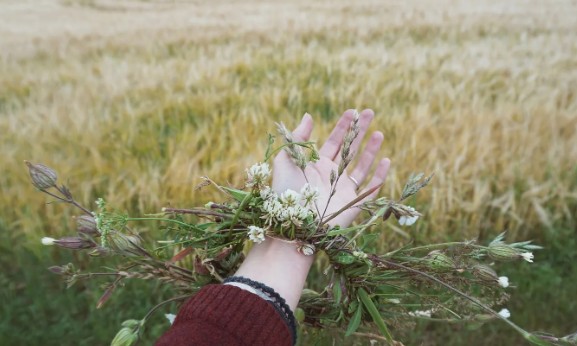
I have never identified myself as pagan in my spiritual beliefs or practice. Apparently, I was wrong.
Coming from a family of Catholics, espousing pagan beliefs came close to being called a heretic; one step further and I might have been branded a witch. (I personally don’t have a problem with such a label). Yet, in recent years, I’ve come to experience the sacred in nature and fully embrace the wisdom of Celtic and Indigenous traditions. Besides, I would argue, aren’t some of Christianity’s most venerated saints those who found God in nature? Was I now a pagan? Or was I some kind of spiritual hybrid without a name?
I returned to this question often, wondering how exactly to fit my paganist affinity into a neat spiritual package. (Spoiler: It’s actually a messy, muddy package.) Then I remembered reading that Lithuania—my maternal homeland—had been one of the last of the eastern European countries to convert to Christianity. Before that, they practiced what was called “Baltic paganism,” which focused, like the Celts, on nature and the divine feminine. Even more interesting to learn was that a neo-pagan movement is growing and thriving in my motherland. No question about it—I have pagan blood running through my veins. As do you. And you. And you.
Our Rustic Roots
I discovered through a little online digging that the word “pagan” is derived from the Latin paganus meaning country dweller, rural, or rustic. With the arrival of Christianity, it became associated with those who continued to practice polytheism or ethnic religions—often nature-based. They were the rustics.
In truth, we’ve all inherited the spiritual DNA of those who came before us. Our pre-Christian ancestors worshipped goddesses, prayed in groves, baptized in rivers, celebrated the solstices and equinoxes. They revered what was life-giving and sustaining. They were pagans. Rustics.
And, not surprisingly, rustic is on the rise.
From Paganism to Eco-spirituality
Like the Christian desert mothers and fathers; the monks and mystics who encountered nature as sacred and found in the language of the wind and burbling creeks a connection to the divine, we are reclaiming our reverence for nature wisdom under the contemporary label of “eco-spirituality.”
And, yes, eco-spirituality is a messy, muddy package—a weaving together of beliefs and practices embedded in dirt, tides, and fire.
We have the Celtic, Nordic and Germanic cultures to thank for preserving their rituals and symbols; the wise Indigenous elders for teaching us how to walk the earth as kin and stewards, not only as exploiters; the rustics and pagans for honoring the cycles of life and death and measuring our days with the seasons. Even Christianity, itself, is plunging back into the sacred groves to seek spiritual communion through the contemplative practice of terra divina or “reading the land.”*
Reclaiming Our Roots
Returning to our rustic roots is more than a moment as Lin-Manuel Miranda wrote in Hamilton: it’s a movement. Our global environmental crisis has become too evident to ignore: micro-plastics fill the oceans, toxic chemicals run through our rivers, the destruction of natural habitats is bringing extinction to whole species. Our conscious awareness of the Earth as fragile and resources as finite is catching up to our human need for soul nourishment. Whether the directive comes from science, religion, psychology, or cultural prophets, the cry is rising to once again listen to the wind, the rivers, the mountains. To learn from nature’s interconnectedness and resilience. To revive our rustic roots.
That doesn’t mean, as I’ve found in my own life, that we have to put on antlers and dance around fire circles (but you can!). We don’t have to reject our faith traditions, but can enrich our experience of the sacred by honoring creation through eco-based rituals.
We can build and worship in wild churches.** Celebrate the cycles of nature through the Celtic Wheel of the Year. Teach our children to regard the Earth and all created life as our relatives. Or simply walk into the woods, immerse our senses, and listen with the heart for nature to share its secrets.
We can become wisdom weavers, as I’ve decided is my comfortable identity, drawing insights, truth, spiritual sustenance, and joy from our roots and reclaiming our oneness with all creation.
*Subscribe to my free monthly tutorial series, Reading the Land, to discover the practice (and art!) of encountering Nature through every sense. Link on the Home page.
**Victoria Loorz, director of the Center for Wild Spirituality, is the author of Church of the Wild, a guide for faith leaders who want to incorporate eco-spiritual practices into their worship.
Living Wild Wisdom
CONTACT
livingwildwisdom@gmail.com
© 2025. All rights reserved.
Living Wild Wisdom on Instagram